
 By
By 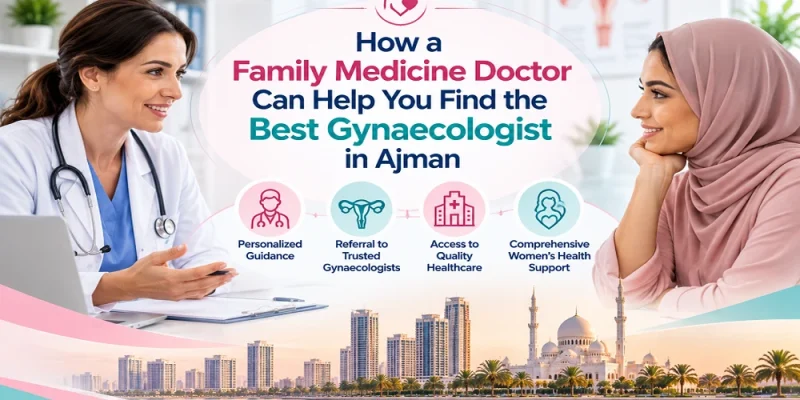
Navigating healthcare decisions requires reliable professional guidance, especially when seeking specialized care for women’s health. Consulting a family medicine doctor offers patients a personalized roadmap to identifying the best gynaecologist in Ajman tailored to their specific medical needs, history, and preferences.
The Role of Family Medicine in Primary Care Coordination
Primary healthcare serves as the essential first point of contact for individuals and families seeking medical guidance. A family medicine doctor is trained across multiple medical disciplines, allowing them to assess, diagnose, and treat a wide array of health conditions throughout every stage of life. Beyond managing day-to-day healthcare needs, primary care providers serve a crucial role as healthcare coordinators who evaluate when specialized intervention is required.
When a patient presents with symptoms or concerns related to reproductive health, routine wellness, or hormonal imbalances, the primary practitioner conducts an initial evaluation. This broad diagnostic approach ensures that underlying issues are identified before referring the patient to a subspecialist. By establishing a long-term relationship with patients, a family medicine doctor understands their complete medical history, lifestyle factors, and individual preferences, which helps streamline the process of choosing the right specialist.
Understanding the Value of a Professional Specialist Referral
Searching for specialized healthcare providers independently can often feel overwhelming due to the vast amount of conflicting information, online reviews, and varied service offerings. A trusted primary physician simplifies this journey by offering professional recommendations based on clinical expertise and direct industry knowledge. Finding the best gynaecologist in Ajman involves looking beyond generic lists and focusing on specific clinical expertise, patient care philosophies, and hospital affiliations.
Primary care doctors maintain professional networks and have detailed insights into local healthcare infrastructure. They know which specialists excel in managing routine obstetric care, complex gynaecological surgeries, fertility evaluations, or menopausal management. Consequently, when a primary practitioner recommends a specialist, the referral is tailored specifically to address the patient’s individual diagnostic requirements rather than relying on general public opinion.
Streamlining Diagnostic Continuity and Care Transition
One of the significant advantages of leveraging primary care for specialist referrals is the seamless transfer of medical documentation and history. When patients transition from general consultation to specialized treatment, effective communication between healthcare providers prevents redundant testing and ensures continuity of care. A family medicine doctor prepares detailed medical summaries, diagnostic test results, and clinical observations to share with the receiving physician.
This collaborative approach enables the specialist to begin consultations with a thorough understanding of the patient’s baseline health. For instance, if a patient requires expert intervention for conditions like polycystic ovary syndrome (PCOS), endometriosis, or high-risk pregnancy, having comprehensive prior records allows the specialist to focus immediately on target treatment plans. Searching for the best gynaecologist in Ajman through a primary care network guarantees that the specialist receives accurate, professional context regarding the patient’s ongoing health profile.
Evaluating Personal Needs and Specialist Fit
Every individual’s reproductive health journey is unique, requiring different qualities in a specialist. Factors such as communication style, gender preferences, facility location, and specific therapeutic approaches play a vital role in patient comfort and satisfaction. A family medicine doctor acts as an objective advisor who helps patients clarify their priorities before booking specialized appointments.
During primary care consultations, patients can discuss what attributes matter most to them in a specialized healthcare setting. Whether the priority is finding an expert skilled in minimally invasive surgical techniques, a practitioner specializing in adolescent gynaecology, or a compassionate physician for routine maternity care, primary care providers align these requirements with suitable professionals. This structured selection process increases the likelihood of establishing a positive, long-lasting therapeutic relationship with the best gynaecologist in Ajman for each patient’s circumstances.
Long-Term Collaborative Health Management
Healthcare is most effective when delivered through an integrated network of professionals working together toward patient wellness. After an initial consultation or course of treatment with a specialist, primary care providers continue to play an active role in ongoing health management. The primary practitioner receives follow-up reports, monitors long-term progress, and manages any concurrent health conditions that may impact reproductive health.
This continuous loop of care ensures that specialized advice is seamlessly integrated into the patient’s overall lifestyle and wellness regimen. By utilizing a family medicine doctor as a central healthcare guide, patients benefit from continuous monitoring, holistic oversight, and stress-free access to specialized care. Ultimately, taking a collaborative approach simplifies navigating local medical options and ensures that patients connect with the best gynaecologist in Ajman to support their long-term health and well-being.
Conclusion
Choosing the right specialist is a vital decision that directly impacts quality of life and health outcomes. Partnering with a dedicated primary care provider eliminates guesswork, streamlines medical referrals, and ensures individualized treatment. By consulting a family medicine doctor, women can comfortably navigate their options and secure expert care from the best gynaecologist in Ajman with confidence and peace of mind.
Comments