
 By
By 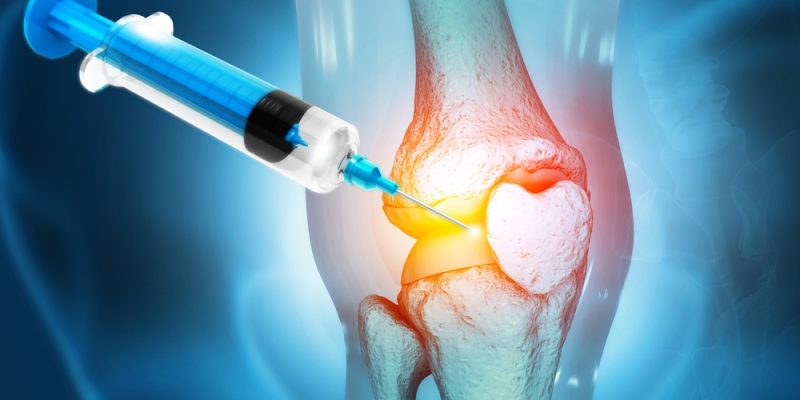
Modern medicine continues to evolve as researchers and healthcare professionals explore ways to help the body heal itself more effectively. Traditional treatments often focus on managing symptoms or repairing damaged tissues through surgery or medication. While these approaches can be effective, they may not always address the underlying cause of injury or degeneration. Regenerative medicine offers a new point of view by focusing on the body’s natural ability to fix and grow new cells from broken ones.
Stem cell therapy has become a key component of this evolving field. Stem cells are special because they can change into different types of cells that can help broken tissues work again. This capability makes stem cell-based treatments particularly promising for conditions involving joints, muscles, ligaments, and other tissues that have limited natural healing capacity.
How Stem Cell Therapy Supports Healing
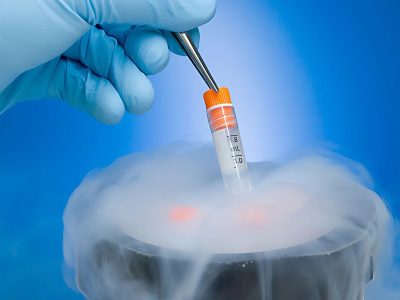
Stem cells are the body’s own way of fixing itself. Stem cells can help restore damaged cells and speed up the healing process when tissues are damaged or breaking down because of old age, illness, or physical strain. In treatment settings, stem cells are carefully prepared and then put into the wound to help it heal.
These cells talk to the tissues around them by sending out growth factors and communication molecules that help cells grow again. So, tissues that have been damaged may start to heal more quickly. This process can help reduce inflammation, improve mobility, and support overall recovery.
Stem cell therapy has gained attention for its potential to treat a wide range of conditions, including joint injuries, tendon damage, arthritis related pain, and sports injuries. By focusing on cellular repair rather than temporary symptom relief, regenerative therapies offer a promising direction for patients seeking long-term healing.
From Injury Recovery to Tissue Renewal
One of the most exciting aspects of regenerative medicine is its potential to shift treatment goals from simple recovery toward full tissue renewal. When injuries occur, the body typically forms scar tissue during the healing process. While scar tissue helps stabilize damaged areas, it often lacks the strength and flexibility of healthy tissue.
Stem cell therapies aim to improve this process by encouraging the growth of new, functional cells rather than relying solely on scar tissue formation. This approach may help restore stronger and more flexible tissue structures, which can contribute to better long-term outcomes.
Athletes and physically active individuals often explore regenerative treatments when dealing with persistent injuries. Tendon strains, ligament tears, and joint inflammation can take months to heal using traditional approaches. Stem cell-based treatments seek to accelerate this healing timeline by enhancing the body’s own repair mechanisms.
The Growing Interest in Advanced Stem Cell Treatments
As awareness of regenerative medicine grows, many patients are exploring innovative therapies that prioritize healing at the cellular level. Medical clinics specializing in regenerative treatments continue to expand their services, offering personalized treatment plans designed to address specific conditions and patient needs.
One example of this emerging field can be seen in Dynamic Stem Cell Therapy Las Vegas, where regenerative medicine approaches are gaining attention for their potential to support tissue repair and long-term recovery. Treatments often focus on improving joint function, reducing inflammation, and encouraging natural tissue regeneration.
Healthcare providers carefully evaluate each patient before recommending stem cell therapy. Factors such as the severity of injury, medical history, and treatment goals all play important roles in determining whether regenerative therapies are appropriate.
A New Direction for Long-Term Recovery
The future of injury treatment may increasingly involve regenerative medicine as research continues to uncover the healing potential of stem cells. Instead of just using drugs or invasive procedures, therapies that help the body’s natural healing processes may work better for many people in the long term.
Dynamic stem cell therapies represent a shift toward treatments that focus on restoration rather than replacement. By encouraging damaged tissues to regenerate, these therapies offer hope for improved mobility, reduced pain, and enhanced quality of life.
While research and clinical advancements continue, regenerative medicine remains one of the most promising areas in modern healthcare. For individuals seeking innovative approaches to recovery and tissue renewal, stem cell therapy stands as a powerful example of how science is reshaping the future of healing.





Comments