
 By
By 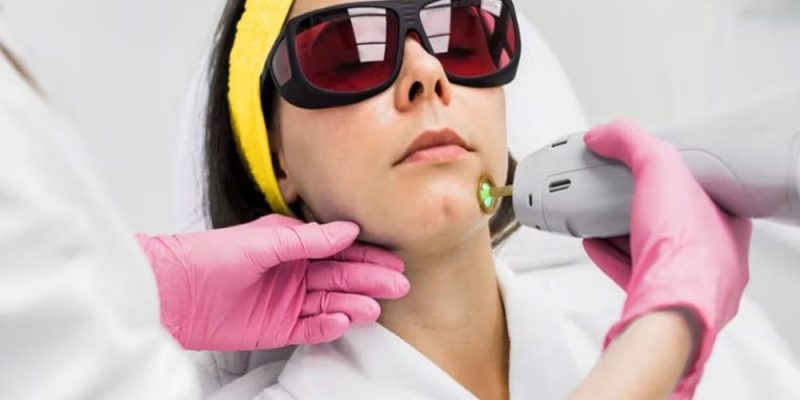
Choosing between advanced skin treatments can feel overwhelming, especially when both options promise smoother, clearer, and more youthful skin. At Skin Savvy Aesthetics Med Spa, clients often compare MicroLaserPeel and traditional laser resurfacing to determine which approach aligns best with their goals. While both treatments use laser technology to improve skin quality, they differ in intensity, recovery time, and the type of results they deliver.
What Makes MicroLaserPeel a Popular Choice
MicroLaserPeel is a minimally invasive laser treatment designed to gently remove the outermost layer of damaged skin. It is often described as a lighter version of traditional laser resurfacing, making it ideal for individuals who want noticeable improvements without extended downtime.
This treatment targets concerns such as fine lines, mild wrinkles, uneven texture, and minor pigmentation issues. Because it focuses on the surface layer, it promotes the growth of fresh, healthy skin while maintaining a relatively quick recovery period. Most people experience a few days of redness and peeling, after which the skin appears brighter and smoother.
MicroLaserPeel is especially suitable for those with busy lifestyles who cannot commit to long recovery times but still want professional-level results.
How Laser Resurfacing Delivers Deeper Results
Laser resurfacing, on the other hand, penetrates deeper into the skin to address more significant concerns. It is commonly recommended for individuals dealing with deeper wrinkles, acne scars, sun damage, or uneven skin tone that cannot be treated effectively with lighter procedures.
This treatment works by removing damaged layers of skin while stimulating collagen production in the deeper layers. The result is not only smoother skin but also improved firmness and elasticity over time. Because it reaches deeper, the recovery process is longer and may involve redness, swelling, and peeling that can last for several days or even weeks.
Despite the longer downtime, laser resurfacing offers more dramatic and long-lasting results, making it a strong choice for those seeking substantial skin transformation.
Comparing Downtime and Recovery
One of the most important differences between these treatments is the recovery period. MicroLaserPeel typically requires only a few days of downtime, allowing patients to return to normal routines quickly. This makes it an appealing option for those who want subtle improvements without major disruption.
Laser resurfacing demands more patience. The healing process is more intensive, but it often leads to more noticeable and longer-lasting improvements. Choosing between the two often comes down to how much downtime a person can realistically manage.
Matching Treatments to Skin Goals
Selecting the right treatment depends largely on individual skin concerns and expectations. MicroLaserPeel works best for early signs of aging, mild texture issues, and those looking for a refreshed appearance. It is often used as a maintenance treatment to keep skin looking healthy and vibrant.
Laser resurfacing is better suited for deeper concerns that require a more aggressive approach. It is commonly chosen by individuals who want to reduce visible signs of aging or correct long-standing skin damage.
To figure out which choice is best, you need to talk to a qualified professional. Skin type, sensitivity, and the effects you want all play a part in the decision-making process.
Finding the Right Balance for Your Skin
Both MicroLaserPeel and laser resurfacing offer valuable benefits, but they serve different purposes. One focuses on gentle renewal with minimal downtime, while the other provides deeper correction with more intensive recovery.
The key is to align the treatment with your personal goals, lifestyle, and tolerance for downtime. With the right choice, either option can significantly enhance skin texture, tone, and overall appearance, helping you achieve a more confident and refreshed look.




Comments